

Choosing between folding cartons and rigid boxes involves more than visual appearance. Product requirements, presentation goals, storage, packing method and production considerations all influence the decision.
Neither structure is universally better. The right choice depends on the product, presentation goals, packing method and project requirements.
1. Folding Cartons and Rigid Boxes at a Glance
| Factor | Folding Cartons | Rigid Boxes |
|---|---|---|
| Construction | Foldable paperboard | Rigid board construction |
| Presentation | Flexible retail presentation | More substantial premium presentation |
| Storage | Usually supplied flat | Usually occupies more storage volume |
| Assembly | Folding / forming required | Preformed or structured assembly |
| Typical Uses | Retail and everyday consumer products | Premium products, gift sets and presentation packaging |
| Printing & Finishing | Wide range of options | Wide range of premium presentation options |
2. What Is a Folding Carton?

A folding carton uses paperboard that is cut and creased into panels and flaps, then folded into its final shape. Many formats are supplied flat and formed during packing.
Common applications include:
- retail products
- consumer goods
- cosmetics
- food outer packaging
- electronics accessories
Key considerations include flat-packed storage, flexible structural options, and printing and finishing choices. The carton design should also suit the product and the intended packing process.
Explore Folding Cartons for the existing structure family.
3. What Is a Rigid Box?
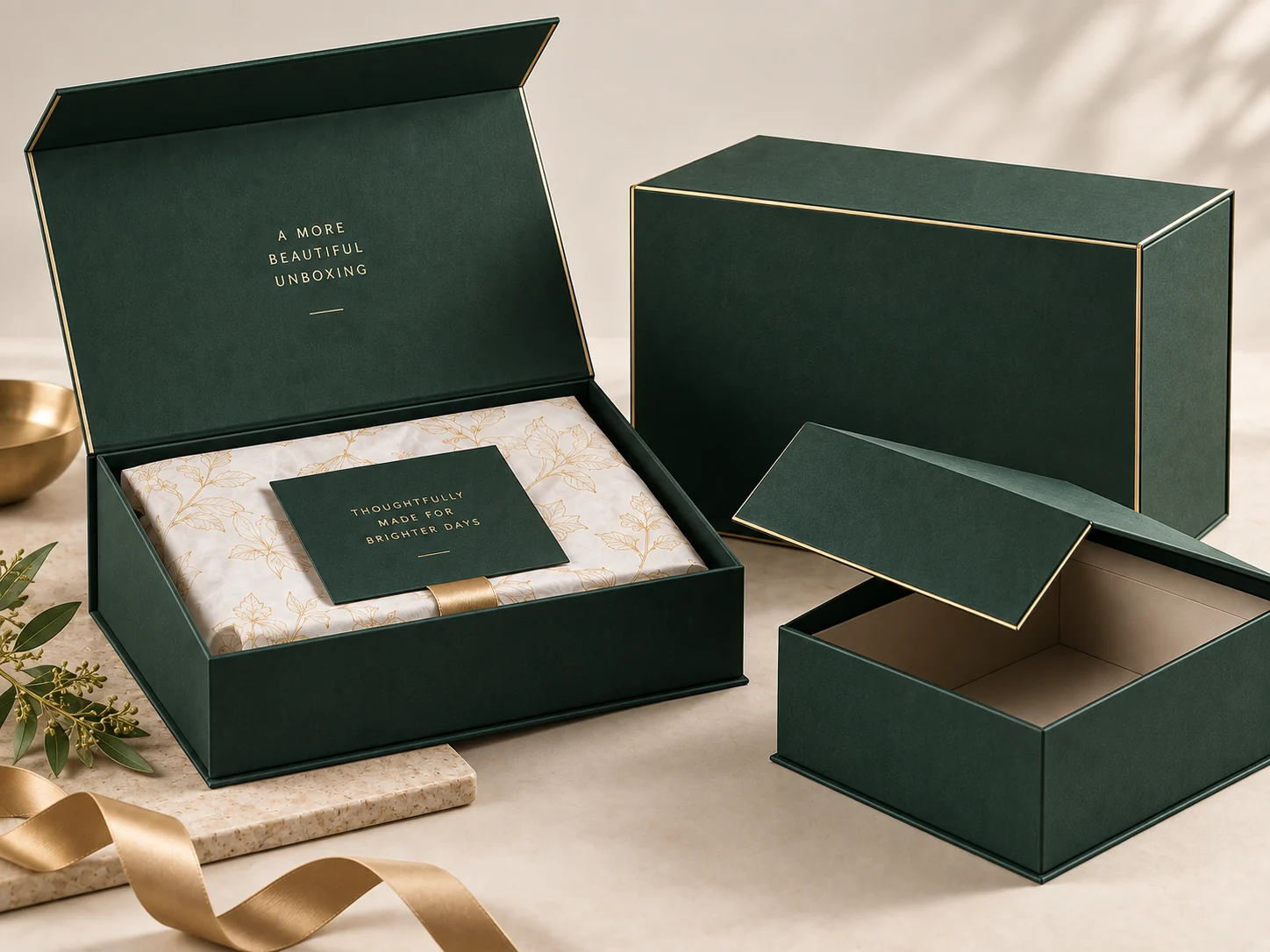
A rigid box uses rigid board construction to create a substantial presentation format. Its appearance and opening experience can be important parts of how a product is presented.
Common applications include:
- gift sets
- premium products
- presentation packaging
- higher-value products
The selected design determines how the box opens, holds its contents and is assembled. A substantial structure does not remove the need to evaluate fit, packing and any internal components for the particular product.
Explore Rigid Boxes for the existing presentation formats.
4. Key Differences to Consider
Structure & Material
Folding cartons are based on foldable paperboard, while rigid boxes use rigid board construction. The material and structure should be evaluated together with product dimensions, weight and the packing arrangement. Neither construction alone establishes that a package is suitable for a particular product.
Brand Presentation
Folding cartons offer flexible retail presentation through graphics, shape and finishing. Rigid boxes offer a more substantial presentation and opening experience. Consider which aspects matter to the intended customer and sales channel rather than choosing solely by appearance.
Storage & Logistics
Folding cartons are usually supplied flat, which can simplify storage before packing. Preformed rigid boxes usually occupy more storage volume. Foldable rigid structures are another option, but their storage and handling requirements depend on the design and packing arrangement.
Packing & Assembly
A folding carton needs to be folded or formed during packing. A rigid box may be preformed or may involve structured assembly. Review the actual packing steps, available space and internal components before deciding which approach fits the project.
Printing & Finishing
Both formats offer a range of printing and finishing possibilities. The chosen material, design and placement of effects influence how the intended appearance can be produced. Discuss those details alongside the structure rather than assuming that one box family is the only route to a particular presentation.
Project Quantity & Production Considerations
Planned quantity helps evaluate material preparation, printing setup, assembly and production planning for either format. A useful comparison considers the complete project specification. Fixed price differences or quantity thresholds cannot be inferred from the box family alone.
5. When a Folding Carton May Be a Better Fit
A folding carton may be worth considering for:
- retail-focused products
- projects benefiting from flat-packed storage
- packing requirements that suit folding or forming cartons
- broader product ranges needing coordinated packaging
- projects needing flexible printed structures
Check the chosen carton against the product and packing method. The Folding Cartons family provides a starting point for discussing suitable formats.
6. When a Rigid Box May Be a Better Fit
A rigid box may be worth considering for:
- gift sets
- premium positioning
- products where presentation is important
- projects where opening experience is part of the brand presentation
Balance those presentation goals with assembly, storage and handling requirements. Review Rigid Boxes to compare the existing formats.
7. What About Foldable Rigid Boxes?
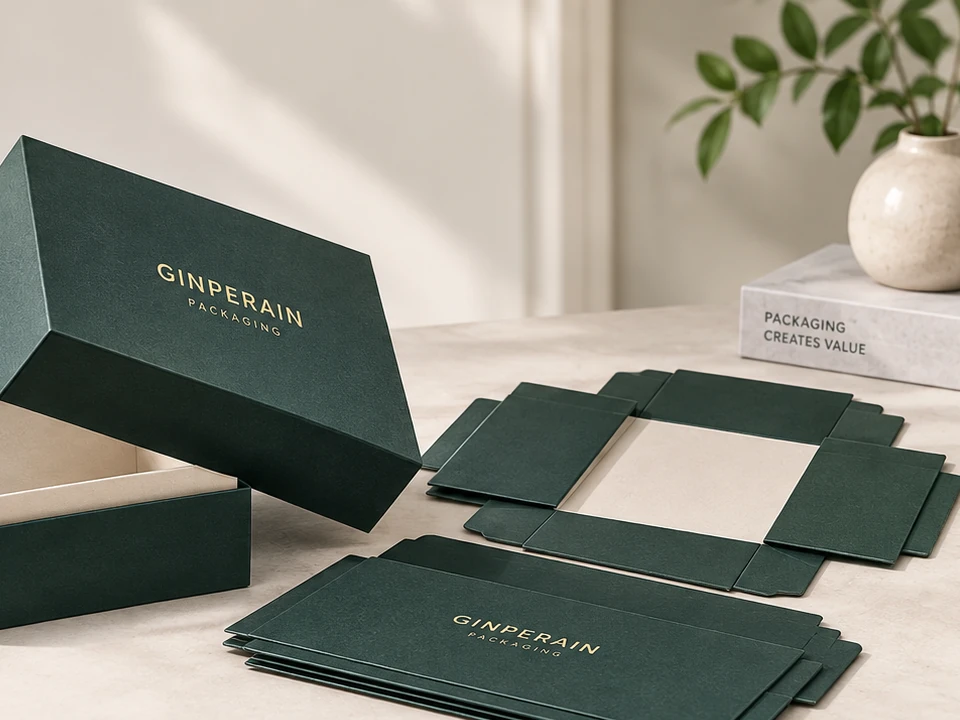
Foldable rigid boxes can combine rigid-style presentation with flat-packed storage and delivery. This can be useful when a project needs to consider presentation and storage together.
They still require a suitable structure and assembly process. The practical benefit depends on the design, packing method and project requirements; they are not automatically a better choice than a folding carton or a preformed rigid box.
Examples include Foldable Drawer Rigid Boxes and Foldable Lid & Base Rigid Boxes.
For more detail on storage benefits and assembly limitations, read Flat-Packed Rigid Boxes: Benefits and Limitations.
8. Questions to Ask Before Choosing
- What is the product size and weight?
- Is retail presentation or premium opening experience more important?
- Will packaging need to be stored or delivered flat?
- How will products be packed?
- What quantity is planned?
- What printing and finishing are required?
- What is the intended sales channel?
For a broader selection framework, read How to Choose the Right Packaging Structure for Your Product.
9. Need Help Comparing Structures?
Share the product, dimensions, quantity, packing method and presentation goals. These details provide a practical basis for comparing structures and identifying requirements that still need discussion.
Neither structure is universally better. The right choice depends on the product, presentation goals, packing method and project requirements.