
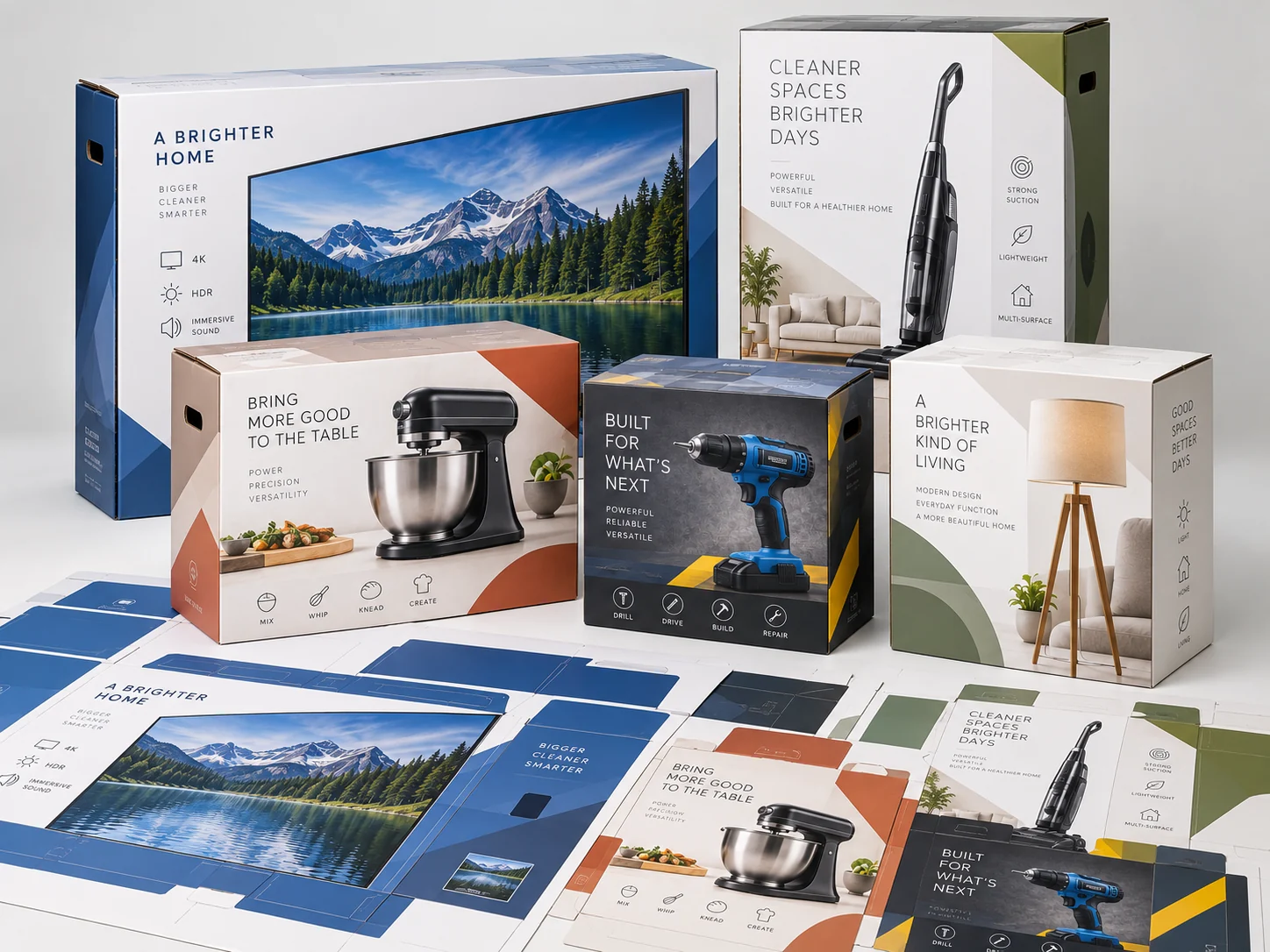
Choosing a packaging structure is one of the first decisions in a custom packaging project.
The right structure does more than hold a product. It affects how the product is presented, packed, transported and experienced by customers.
Different products require different packaging solutions. A lightweight retail product may need a different structure from a premium gift set or a larger consumer product.
Before selecting a box style, it is important to understand your product requirements, presentation goals and production considerations.
1. Start With Your Product Requirements
Before choosing a packaging structure, consider several key factors.
Product Size and Shape
The dimensions and physical characteristics of the product influence the suitable packaging format.
Important considerations include:
- product size
- weight
- shape
- number of components
- required internal space
A well-designed structure should fit the product properly while avoiding unnecessary material usage.
Product Presentation
Packaging is also part of the customer experience.
Consider whether your product requires:
- retail shelf visibility
- premium presentation
- gift-style opening experience
- product display features
For example, rigid boxes are often selected for products where presentation is a major part of the value perception, while folding cartons are widely used for efficient retail packaging.
Packing Method
The way products are packed also affects structure selection.
Consider:
- manual packing
- assembly requirements
- flat-packed storage
- production efficiency
Some packaging structures are designed for easy storage and assembly, while others focus more on premium presentation.
2. Common Packaging Structures and When to Use Them
Folding Cartons
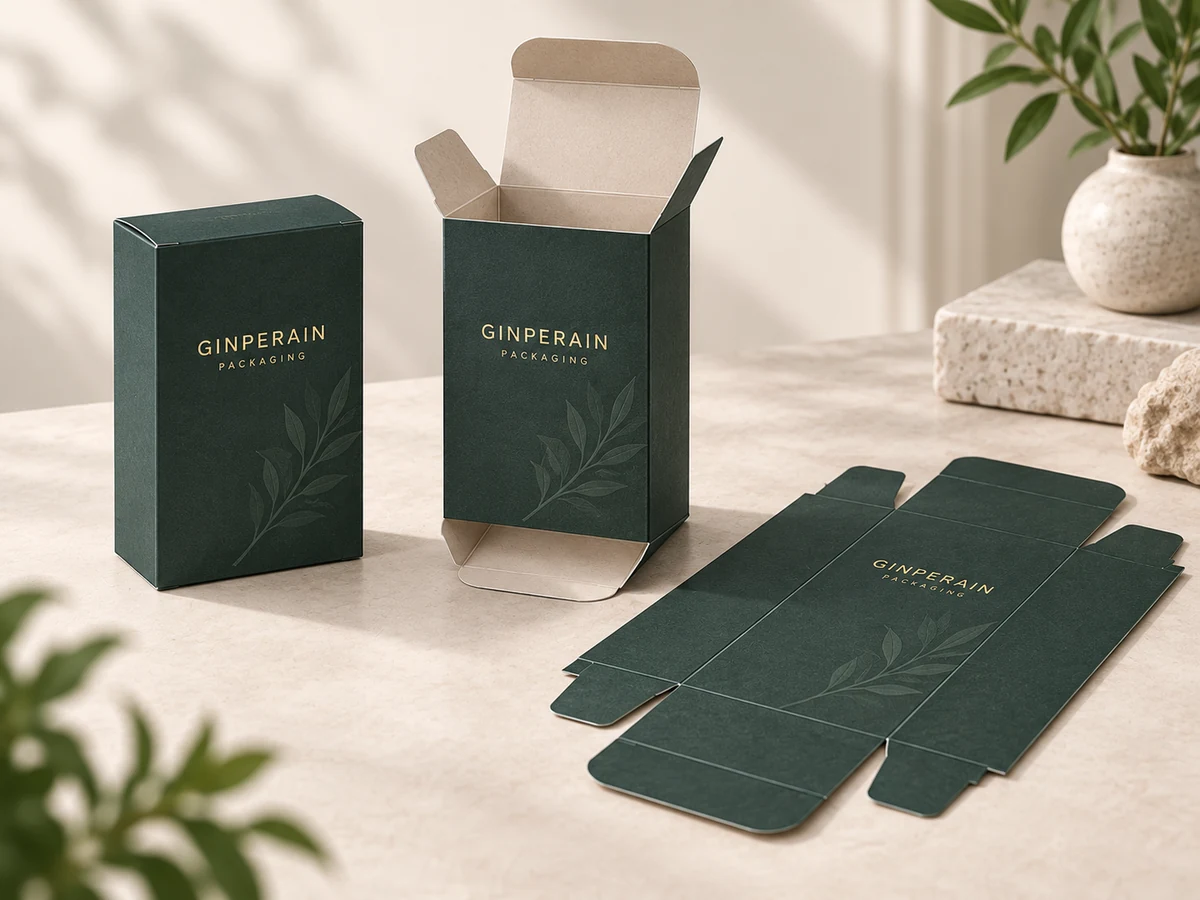
Folding cartons are one of the most widely used paper-based packaging formats.
They are commonly used for:
- consumer products
- retail packaging
- cosmetics
- food outer packaging
- electronics accessories
Advantages include:
- efficient production
- flexible printing options
- various structural designs
- suitability for larger production quantities
Folding cartons can also incorporate finishing options such as foil stamping, embossing and Spot UV.
Explore Folding Cartons for the existing packaging formats and structure options.
Rigid Boxes
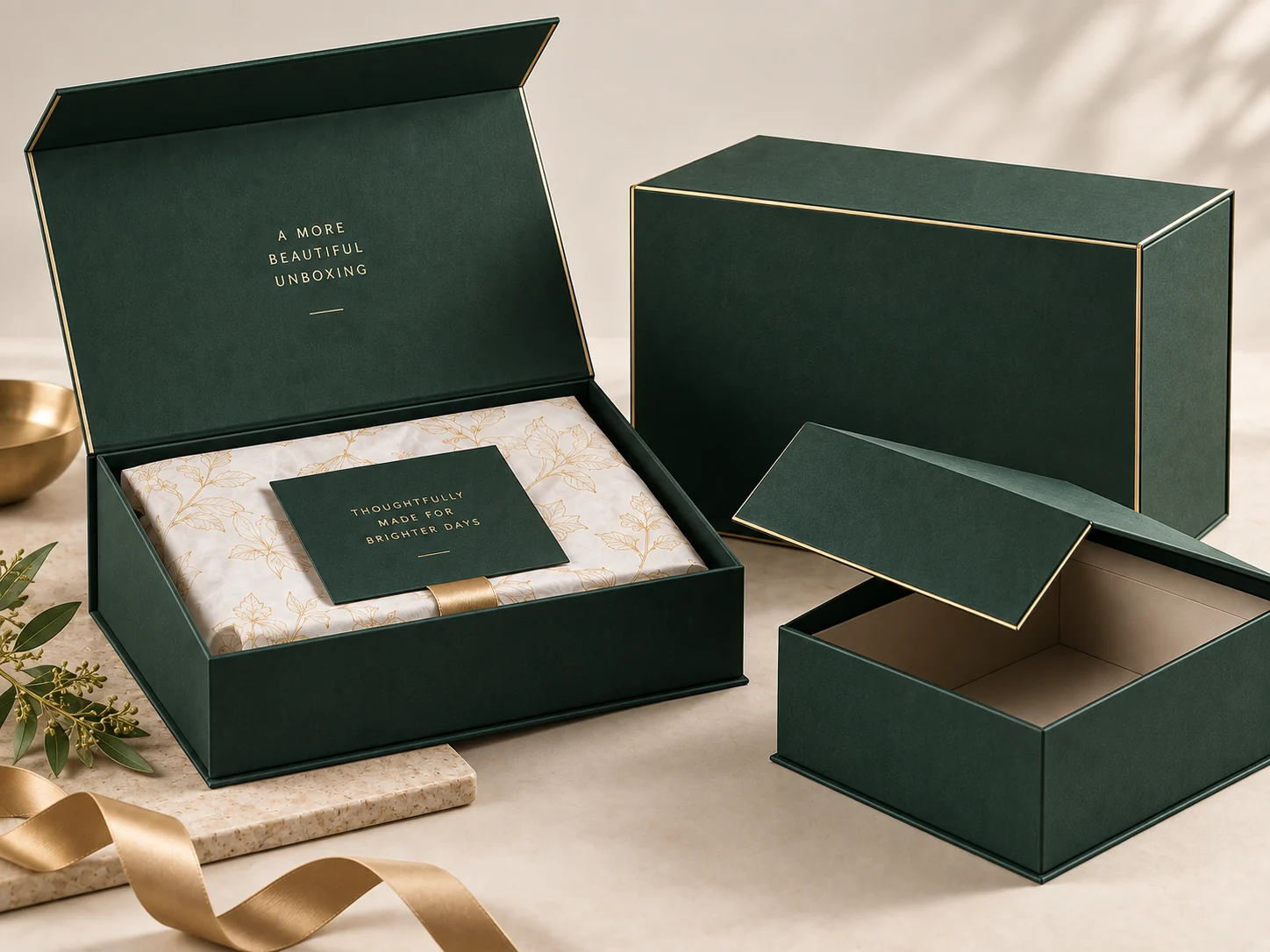
Rigid boxes are known for their premium appearance and strong presentation.
They are commonly used for:
- gift sets
- premium products
- luxury presentation
- special collections
Compared with folding cartons, rigid boxes provide a more substantial opening experience and are often selected when packaging presentation is a key consideration.
See the Rigid Boxes family for established presentation formats.
Foldable Rigid Boxes
Foldable rigid boxes combine the presentation of rigid packaging with improved storage efficiency.
They are suitable for projects that require:
- premium presentation
- flat-packed delivery
- reduced storage space
This structure can be considered when a project needs a balance between presentation and logistics efficiency.
Foldable construction is an option within the Rigid Boxes family.
For the storage and assembly trade-offs of this option, see Flat-Packed Rigid Boxes: Benefits and Limitations.
Large-Format Folding Cartons
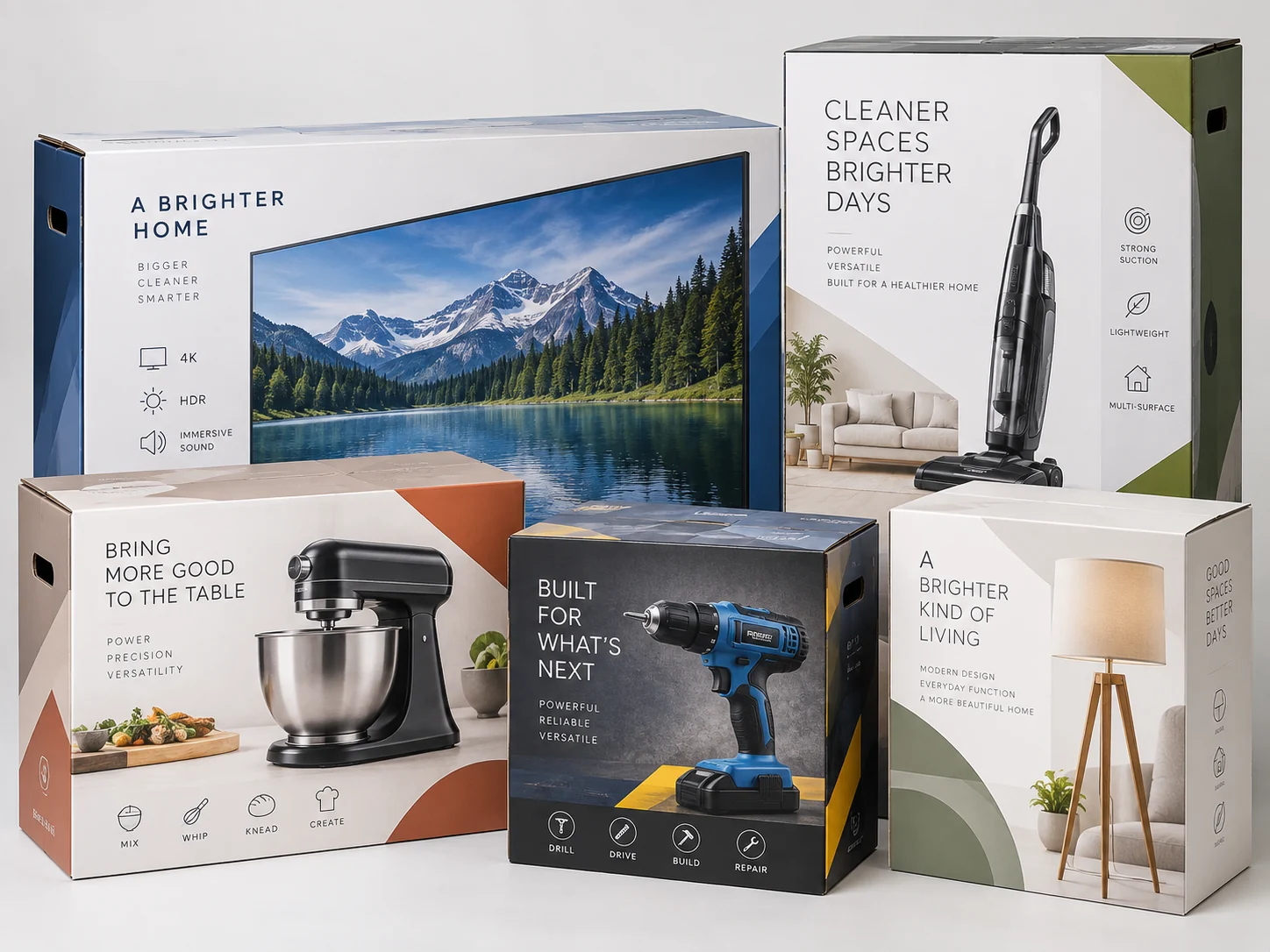
Large-format folding cartons are designed for larger retail and consumer-goods applications.
They can support:
- larger product sizes
- wider printed areas
- stronger retail presentation
- larger-format graphics
For projects requiring larger printed carton formats, production capability and print format become important considerations.
Explore Large-Format Folding Cartons for this established product format.
3. Comparing Folding Cartons and Rigid Boxes
Folding cartons and rigid boxes offer different approaches to presentation, storage and packing. Neither is universally better; compare them against the product and the way it will be packed.
For the detailed side-by-side comparison and trade-offs, read Folding Cartons vs Rigid Boxes: Which Should You Choose?.
4. Factors to Consider Before Production
Once a structure is being considered, How to Choose Paperboard for Printed Packaging explains how product, surface and converting requirements inform material selection.
Quantity
Production quantity can influence the most suitable packaging approach.
Different quantities may require different considerations regarding:
- structure
- production process
- finishing options
Printing and Finishing Requirements
Packaging appearance can be enhanced through different printing and finishing methods.
Examples include:
- offset printing
- foil stamping
- embossing and debossing
- Spot UV
- matte or gloss lamination
Artwork Preparation
Clear artwork preparation helps reduce production issues.
Important information includes:
- correct dimensions
- production-ready artwork
- structural requirements
- finishing specifications
For the related preparation checklist, see Artwork Requirements for Custom Printed Packaging.
5. Working With a Packaging Partner
A packaging partner can help evaluate:
- suitable structures
- printing options
- finishing methods
- production requirements
Early communication helps ensure that the packaging design is practical for manufacturing and aligned with the final application.
Ginperain supports custom printed paper packaging projects through printing, finishing and converting coordination.
Conclusion
Choosing the right packaging structure depends on more than appearance.
The most suitable structure should balance:
- product requirements
- presentation goals
- packing efficiency
- production feasibility
If you are planning a custom packaging project, share your product details, dimensions and quantity requirements. Our team can help evaluate suitable packaging options.