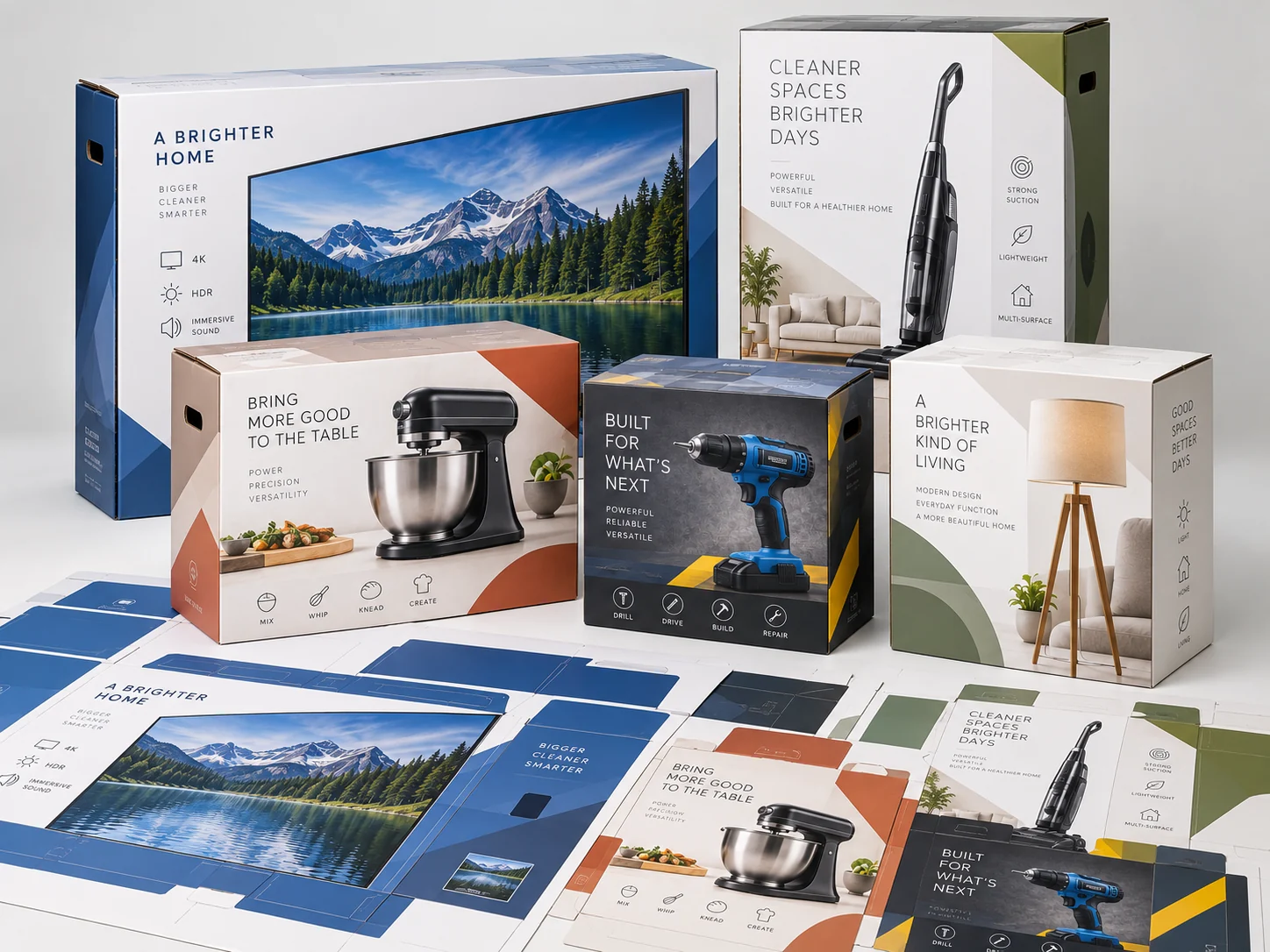
Custom packaging quotations depend on project-specific information. Clear details make it easier to evaluate suitable packaging structures, material options, printing and finishing, and production requirements.
You do not need to finalize every technical detail before making an inquiry. Start with what you know about your product and intended use, and identify any areas where you need a recommendation.
The inquiry form asks for your name, company, email, Country / Region, Product / Application and Estimated Quantity. The remaining project-detail fields are optional.
1. Product or Application
The first step is to explain what the packaging will be used for. In the Product / Application field, describe the product and its intended use.
Useful information may include:
- product type
- intended application
- retail, e-commerce or gift use
- relevant product characteristics
For example, explain whether one product or a set of items will be packed, and whether presentation or the packing arrangement is an important consideration.
2. Box Dimensions
Dimensions are commonly written as L × W × H: length, width and height. Include the unit of measurement and clarify whether the sizes refer to the product, the inside of the box or the outside of the box. Confirm the measurement convention for the selected structure rather than assuming one standard applies to every box.
If the final box size is unknown, you can provide:
- product dimensions
- number of items per box
- basic packing arrangement
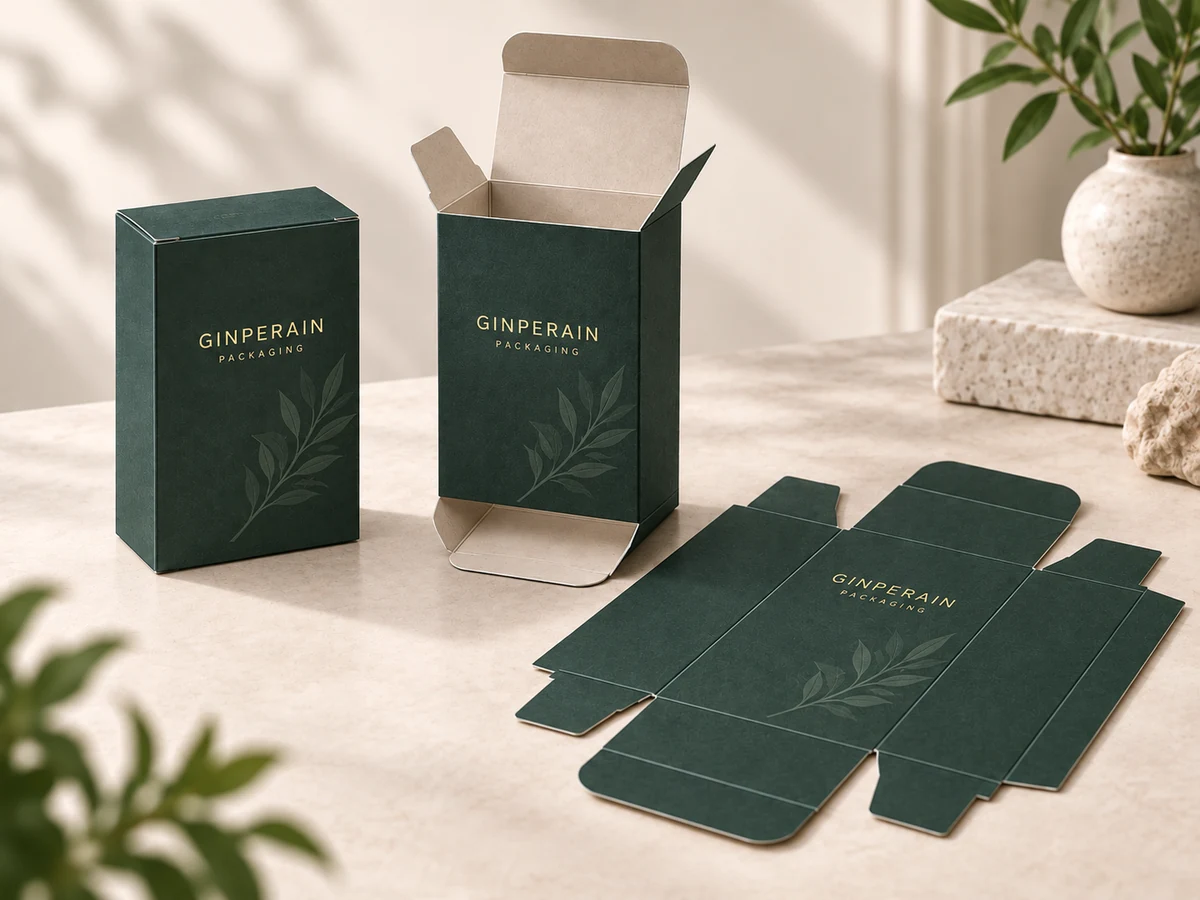
Use the Dimensions (L × W × H) field when sizes are available, and describe the packing arrangement in Additional Information. For related guidance, see How to Measure a Box for Custom Packaging.
3. Estimated Quantity
Enter your best current estimate in Estimated Quantity. Quantity helps with:
- production planning
- material preparation
- printing setup
- project evaluation
If the figure is preliminary, say so in Additional Information. A quantity estimate provides a starting point for discussion without implying that every specification is already confirmed.
4. Packaging Structure
You may already have a preferred structure in mind, such as:
- Folding Cartons
- Rigid Boxes
- Foldable Rigid Boxes
- Large-Format Folding Cartons
- Window Cartons
If you are unsure, select Not sure / Need recommendation in the Packaging Type field. You can describe a different requirement using Other and add context in Additional Information.
Browse Packaging Types for the existing families, or read How to Choose the Right Packaging Structure for Your Product for the main selection factors.
5. Material Preference
If you have a preferred material or appearance, describe it in Material Preference. It is acceptable if you do not yet know the exact specification. Explain the result you are looking for so suitable options can be discussed.
6. Printing & Finishing Requirements
Use Printing & Finishing to describe the effects you are considering. Examples include:
- Offset Printing
- Foil Stamping
- Embossing / Debossing
- Spot UV
- Matte / Gloss Lamination
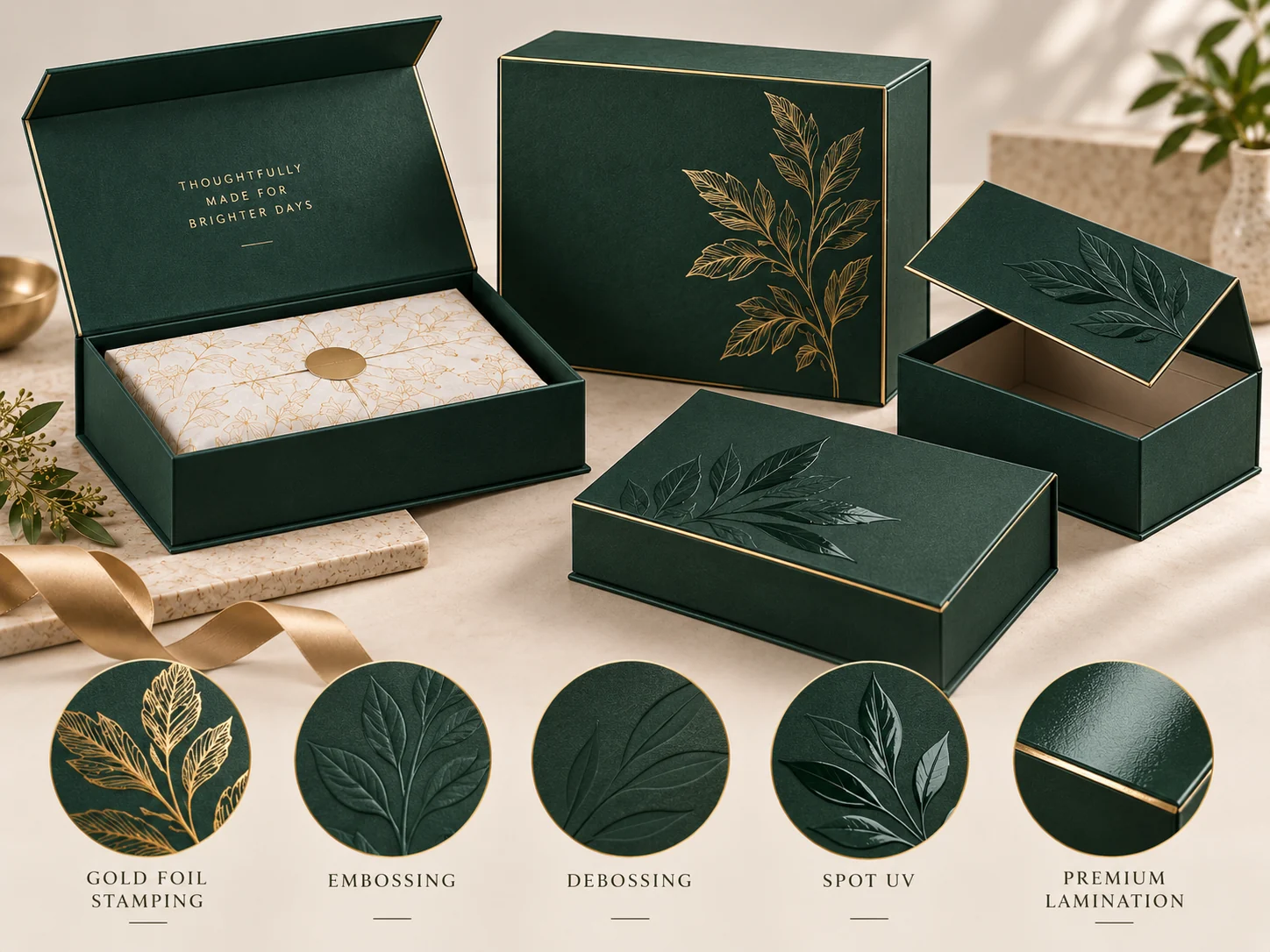
Clear finishing requirements help evaluate production needs. If you know where an effect should appear, describe its intended placement; otherwise, explain the appearance you want to explore.
The Printing & Finishing category provides related reading.
7. Artwork Status
Artwork does not need to be fully complete before the first inquiry. Choose the option in Artwork Status that best describes your current stage:
- Artwork ready
- Artwork in progress
- Need artwork guidance
- Not sure yet
For preparation guidance, read Artwork Requirements for Custom Printed Packaging. Artwork or reference files can be shared later during project discussion; the current inquiry form does not require a file upload.
8. Target Market or Destination
Enter the relevant country or region in Country / Region. This gives useful context for the project. If the intended destination differs from your company location, explain that in Additional Information.
9. Target Timeline
An approximate timeline helps with project planning. Select the closest Target Timeline option, or choose Not sure yet if plans are still developing.
If you have a target date, add it to Additional Information. A requested timeline is a planning reference; production and delivery timing still need to be discussed and confirmed.
10. Additional Project Requirements
Use Additional Information for details that do not fit the other fields. Depending on the project, these may include:
- window features
- inserts
- flat-packed structure
- presentation requirements
- packing method
- other structural considerations
Describe these as project preferences or requirements so their suitability can be evaluated alongside the chosen structure.
11. What If You Don’t Know All the Details?
You do not need to know every technical detail before contacting Ginperain. Start with:
- product/application
- approximate dimensions, if available
- quantity
- intended use
Structure, material, printing and finishing options can be discussed as the project develops. Use the recommendation option where appropriate, and note which details are still undecided.
Provide the required contact information and your best current quantity estimate. Optional technical fields can be left open when you do not yet have the information.
12. Packaging RFQ Checklist
Before sending your inquiry, gather the following information where available. The optional items do not need to be finalized before you contact us.
- Product / application
- Country / region
- Estimated quantity
- Product or box dimensions, if available
- Packaging structure, if known
- Material preference, if known
- Printing & finishing requirements, if known
- Artwork status
- Target timeline, if known
- Additional project notes
Also include your name, company and email so the team can respond. Reference files can be discussed later; uploading artwork is not a requirement for submitting the form.
Conclusion
A packaging quote does not require every technical detail to be finalized. Start with the information you already have, and the remaining structure, material and production details can be evaluated during project discussion.