
Tuck End Folding Cartons
Custom printed tuck end folding cartons with straight or reverse tuck-end structures, supplied flat-packed for efficient storage, packing, and international shipping.
- 6-Color HeidelbergOffset Printing
- UV & AqueousCoating
- Eco-FriendlyInk Options
- Tuck EndStructure
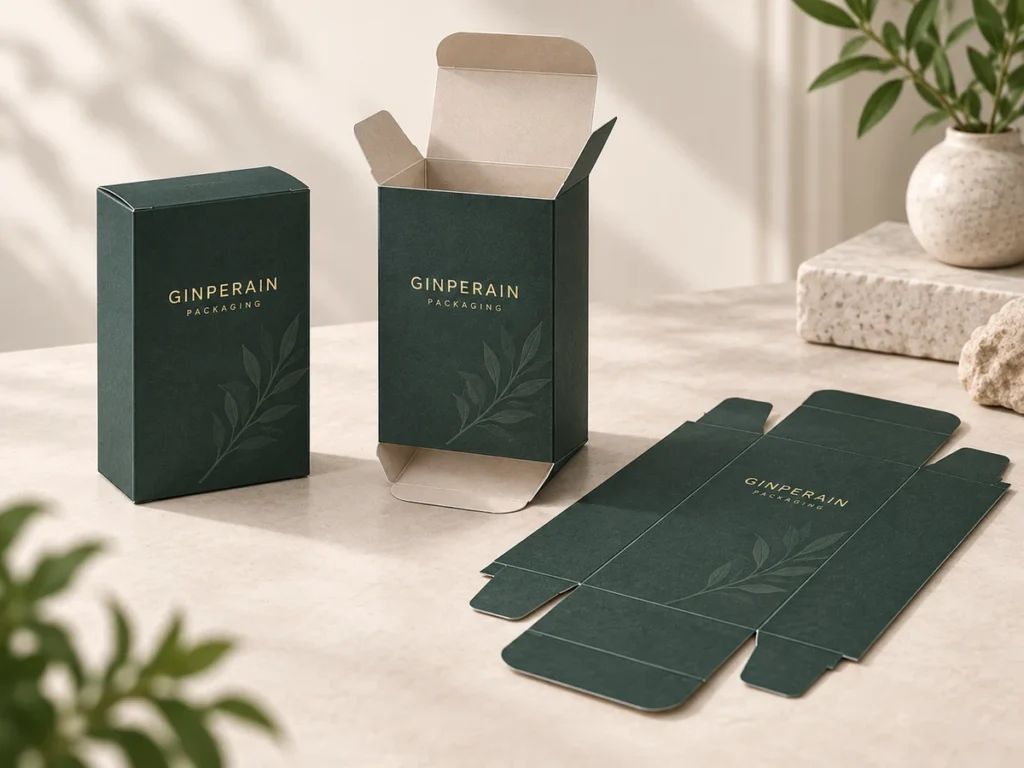
Tuck End Folding Cartons for Versatile Retail Packaging
Tuck end folding cartons are one-piece paperboard packages that use tuck flaps to close the top and bottom of the carton. They provide a practical structure for printed retail and consumer product packaging while being supplied flat-packed before final packing and use.
Carton dimensions, board selection, tuck direction, internal fit, printing, coating, and finishing can be developed according to the packaged product, packing method, presentation requirements, and available project information.
Straight and Reverse Tuck End Structures
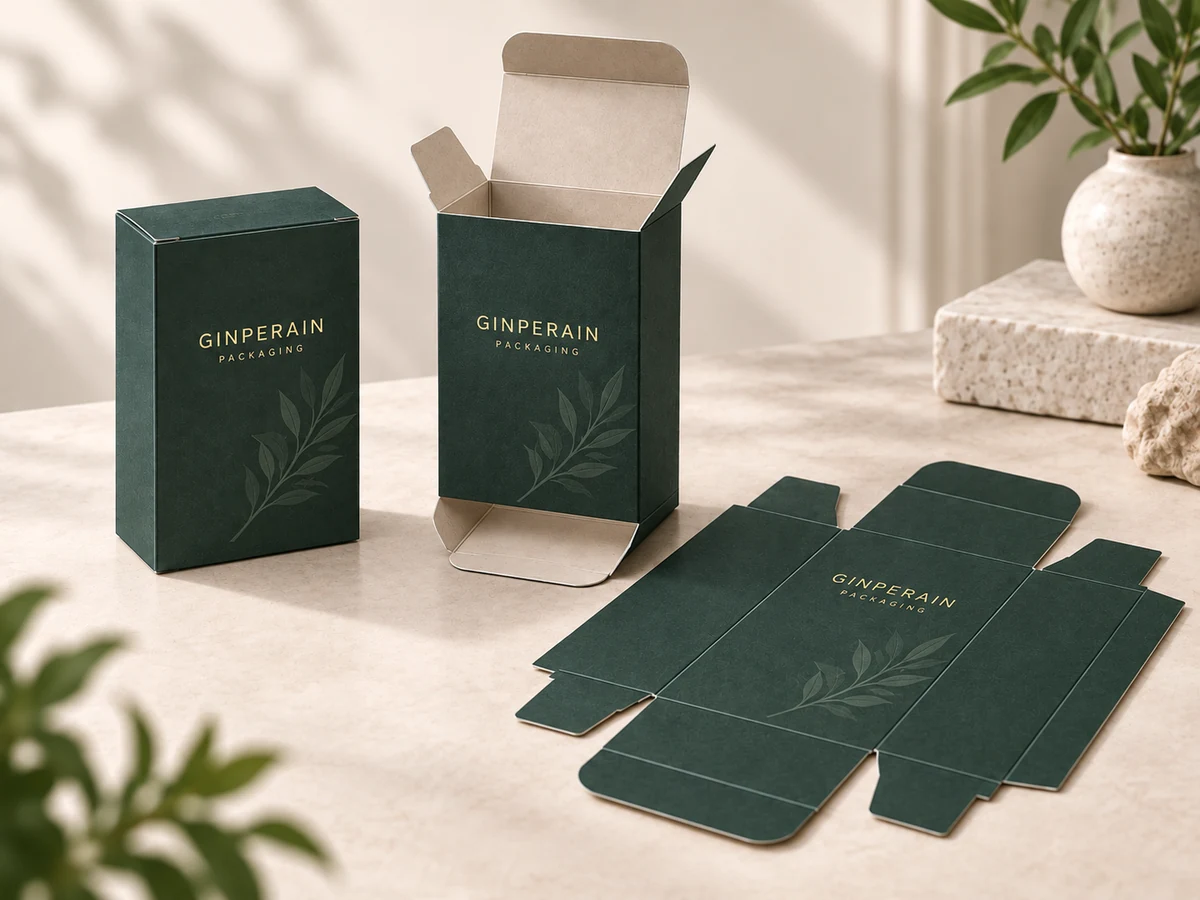
Tuck end cartons can be developed in straight tuck end or reverse tuck end configurations. In a straight tuck end structure, the top and bottom tuck flaps close in the same direction, while reverse tuck end cartons use tuck flaps that close in opposite directions.
The appropriate structure depends on the product dimensions, packing sequence, opening experience, board characteristics, and production requirements.
Additional structural details such as locking tabs, dust flaps, internal partitions, window openings, or product-holding features can be evaluated when required by the project.
- Flat-Packed
- Carton Folding
- Tuck Closure
- Ready for Product Packing
- Flat-packed delivery
- Efficient storage and logistics
- Straight / reverse tuck-end options
- Structure evaluated project by project
Suitable Applications
Tuck end folding cartons can be used for a wide range of printed retail and consumer product packaging applications, including:
- Beauty and personal care products
- Small electronics and accessories
- Retail consumer products
- Promotional products
- Gift and specialty products
- Household and lifestyle products
The appropriate carton dimensions, board grade, tuck-end configuration, internal fit, and finishing should be evaluated according to the actual product and packaging requirements.
Printing and Finishing Options
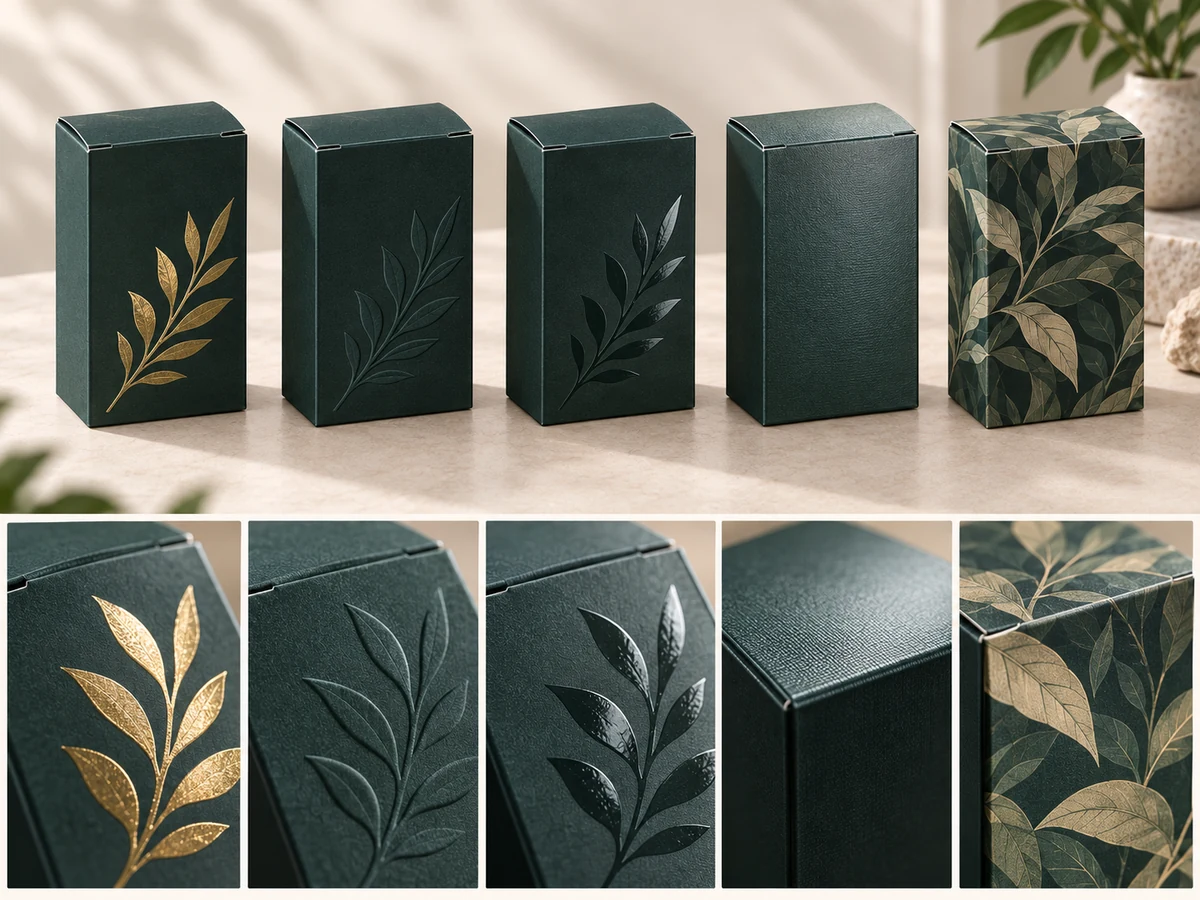
Printing and finishing can be coordinated with the carton structure, artwork, and brand presentation requirements. Available options include 6-color Heidelberg offset printing, foil stamping, embossing, debossing, lamination, Spot UV, UV coating, aqueous coating, and eco-friendly ink options.
- StructureTuck End
- Printing6-Color Heidelberg Offset Printing
- CoatingUV Coating
- CoatingAqueous Coating
- InkEco-Friendly Ink Options
Product Specifications
- Box Type
- Tuck End Folding Carton
- Structure
- Tuck End
- Closure Style
- Straight / Reverse Tuck End Options
- Delivery Form
- Flat-Packed
- Printing
- 6-Color Heidelberg Offset Printing
- Finishing Options
- Foil Stamping / Embossing / Debossing / Lamination / Spot UV
- Coating Options
- UV Coating / Aqueous Coating
- Ink Options
- Eco-Friendly Ink Options
Frequently Asked Questions
What is a tuck end folding carton?
A tuck end folding carton is a one-piece paperboard carton that uses tuck flaps to close the package. It can be supplied flat-packed and formed before product packing, making it suitable for a wide range of printed retail packaging applications.
What is the difference between straight and reverse tuck end cartons?
Straight tuck end cartons use top and bottom tuck flaps that close in the same direction, while reverse tuck end cartons use tuck flaps that close in opposite directions. The appropriate structure depends on the product, packing method, and project requirements.
What printing and finishing options are available?
Available options include 6-color Heidelberg offset printing, foil stamping, embossing, debossing, lamination, Spot UV, UV coating, aqueous coating, and eco-friendly ink options.
What information should I provide for a tuck end carton packaging evaluation?
Please provide the product or application, required carton dimensions, product weight, preferred board or material requirements, expected quantity, printing and finishing requirements, packing method, and any available artwork or reference packaging information.
START A PACKAGING PROJECT
Discuss your paper packaging requirements
Share the application, structure, material, printing, and project information available for review.